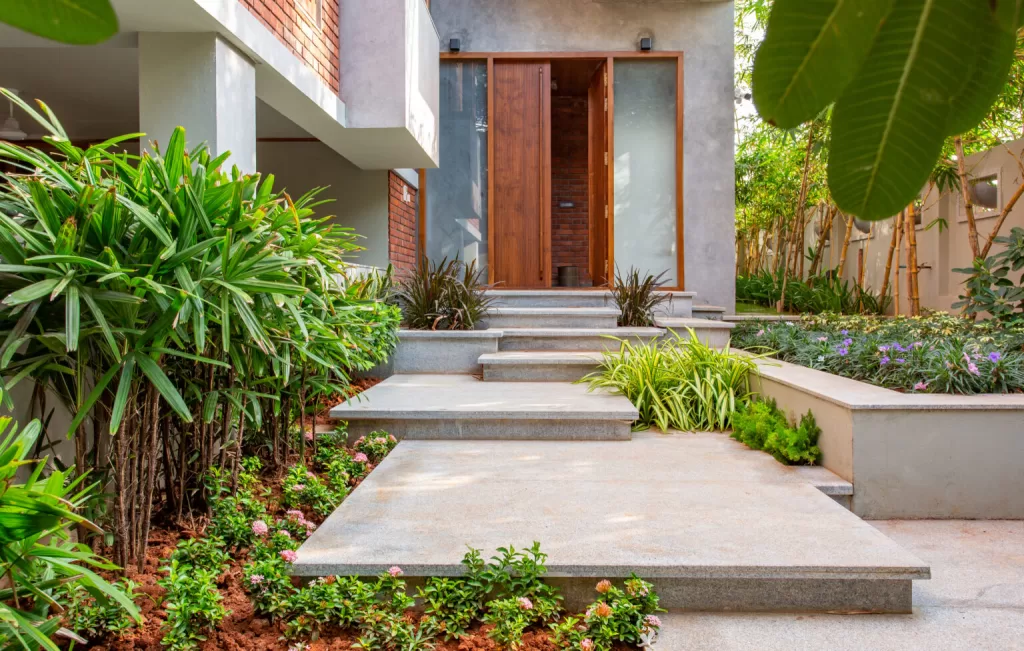
When it comes to upgrading your landscape with walls, edging, steps, patios, or decorative features, one of the biggest decisions is choosing the right material. For many Oakland County homeowners, the debate comes down to natural stone vs. manufactured stone. Both options offer unique advantages, but the right choice depends on your aesthetic goals, budget, maintenance preferences, and how you plan to use the material.
Driftwood Landscape works with both natural and manufactured stone materials, helping homeowners select the option that enhances their property best. In this blog, we break down the differences between the two so you can make an informed decision for your next landscaping project.
What Is Natural Stone?
Natural stone is quarried directly from the earth and cut or shaped for use in landscaping. Types commonly used in Michigan include:
- Limestone
- Bluestone
- Fieldstone
- Sandstone
- Granite
Each piece of natural stone is unique, with organic color variations and textures formed over thousands of years.
What Is Manufactured Stone?
Manufactured stone—often called “cast stone”—is made from concrete and pigments molded to mimic the look of natural stone. It offers greater uniformity in color, shape, and size and is used in a wide range of landscape and construction applications.
Natural Stone vs. Manufactured Stone: Side-by-Side Comparison
Below, we compare both materials across key categories to help you choose the best fit for your home.
⭐ 1. Appearance
Natural Stone
- Unique variations in color and texture
- Authentic, timeless beauty
- Works exceptionally well in outdoor environments
- No two pieces are identical
Best For:
- High-end landscaping
- Rustic or natural designs
- Projects where authenticity matters
Manufactured Stone
- More uniform in color and shape
- Designed to replicate natural stone
- Wide variety of textures and styles
- Can look extremely realistic depending on quality
Best For:
- Homeowners who want consistency
- Matching specific color palettes
- Modern, structured designs
Winner for Authenticity: Natural stone
Winner for Uniformity: Manufactured stone
⭐ 2. Durability & Lifespan
Natural Stone
- Extremely durable—often lasting 50–100+ years
- Handles freeze–thaw cycles very well
- Resistant to fading
- Naturally weatherproof
Manufactured Stone
- Durable but typically not as strong as natural stone
- May show wear or fading over decades
- More sensitive to moisture infiltration
- Best used in non-load-bearing or decorative applications
Winner for Durability: Natural stone
⭐ 3. Weight & Installation
Natural Stone
- Heavier, requiring skilled installation
- Often requires machinery for placement
- Ideal for retaining walls, steps, and structural projects
Manufactured Stone
- Lighter and easier to work with
- Faster installation
- More forgiving for DIY-style decorative work
Winner for Ease of Installation: Manufactured stone
⭐ 4. Cost
Natural Stone
- Higher upfront cost
- Lower maintenance and longer lifespan
- Better long-term value
Manufactured Stone
- Typically more affordable
- Lower price per square foot
- Great option for budget-conscious homeowners
Winner for Budget: Manufactured stone
Winner for Long-Term Value: Natural stone
⭐ 5. Maintenance
Natural Stone
- Very low maintenance
- Does not peel, fade significantly, or deteriorate
- Naturally ages beautifully
Manufactured Stone
- May require sealing depending on usage
- Color can fade over time
- Some products chip more easily
Winner: Natural stone
⭐ 6. Environmental Impact
Natural Stone
- Eco-friendly and naturally sourced
- Minimal manufacturing processing
- Longer-lasting, reducing replacement waste
Manufactured Stone
- Created using cement and pigments
- Higher environmental impact
- More energy-intensive production
Winner: Natural stone (more sustainable option)
⭐ 7. Applications
Here’s where each material shines.
Best Uses for Natural Stone
- Retaining walls
- Garden walls
- Limestone steps
- Natural stone patios
- Edging
- Boulder and stone accents
- High-end hardscaping
- Water features
Best Uses for Manufactured Stone
- Decorative veneer
- Facades and siding
- Accent borders
- Lightweight wall applications
- Indoor-outdoor decor continuity
So, Which Should You Choose?
It depends on your goals:
Choose Natural Stone if you want:
✔ Long-term durability
✔ Premium, authentic aesthetics
✔ Low-maintenance materials
✔ A timeless, high-value upgrade
✔ Structural strength for walls or steps
Choose Manufactured Stone if you want:
✔ Consistent colors and shapes
✔ A budget-friendly option
✔ Lightweight material for decorative use
✔ A modern, uniform design style
Both are excellent materials—the best choice comes down to your project type and design preferences.